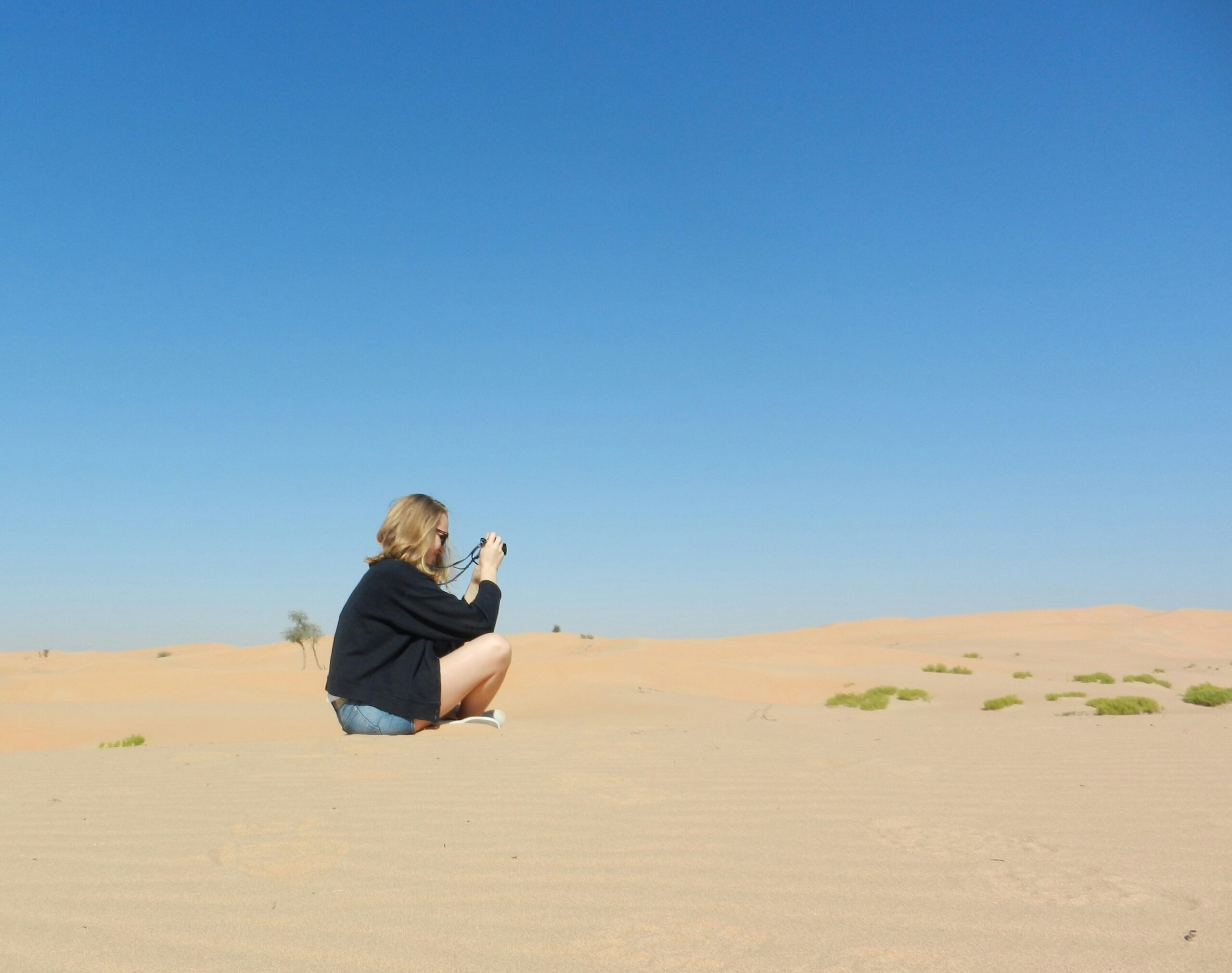
Desert research expeditions are crucial for understanding how life can exist and adapt in the harshest environments on Earth. These missions offer a unique window into the limits of biology, geology, and even astronomy, as conditions in some deserts mirror those found on other planets. By studying these extreme settings, scientists gain practical insights into things like climate change, resource management, and the potential for life beyond Earth.
Deserts, by definition, are places with very low precipitation, but they’re incredibly diverse. We’re talking about everything from scorching hot sand dunes to frigid polar deserts. What unites them is their extreme nature – temperatures can swing wildly, water is scarce, and nutrient availability is often low. This harshness isn’t a bug; it’s a feature for researchers.
Mirroring Early Earth Conditions
Some desert environments, particularly those with high salinity or acidity, can closely resemble primeval Earth. Understanding how life adapted and evolved in these conditions helps us piece together our planet’s own history. It’s like a natural time capsule.
Astrobiology and the Search for Life Beyond Earth
The connection to astrobiology is perhaps one of the most exciting aspects. Mars, for instance, is essentially a cold desert. Studying microbes that thrive in seemingly impossible desert conditions on Earth gives astrobiologists a roadmap for where and what to look for on other planets. If life can make a home in the Atacama’s hyper-arid soil, who’s to say it couldn’t do the same under Martian regolith?
Climate Change Indicators
Deserts are also highly sensitive to climate shifts. Changes in rainfall patterns, increased temperatures, and desertification (the expansion of desert-like conditions) are all pressing concerns. By monitoring these environments, researchers can better predict global climate trends and their potential impacts.
Field Methods and Technologies: Getting Down to Business
Doing research in a desert isn’t like working in a comfortable lab. It requires specialized equipment and careful planning to deal with the challenging conditions.
Sample Collection and Preservation
Gathering samples – soil, rock, water, or microbial mats – needs to be done meticulously. Contamination is a constant worry, especially when looking for rare extremophiles. Samples often need immediate preservation, either by freezing, chemical fixation, or maintaining specific atmospheric conditions, to ensure their integrity for later analysis.
Remote Sensing and Drone Technology
Before even stepping foot on the ground, remote sensing via satellites helps identify promising research sites. Once on location, drones are increasingly used for a variety of tasks: mapping terrain, monitoring wildlife, surveying vegetation, and even collecting atmospheric data. This allows researchers to cover larger areas and access difficult-to-reach spots without putting themselves at undue risk.
Portable Analytical Equipment
Bringing a full lab into the desert is impractical. Instead, researchers rely on increasingly sophisticated portable equipment. This can range from handheld spectrometers for mineral identification to compact DNA sequencers that can provide preliminary genetic information on site. This immediate feedback can help guide further sampling and research directions.
Biological Discoveries: Life Finds a Way
One of the most fascinating aspects of desert research is uncovering the incredible strategies organisms employ to survive and even thrive in such harsh conditions.
Extremophiles: The Ultimate Survivors
These are organisms, often microbes, that love extremes. We’re talking about organisms that can withstand incredibly high salt concentrations (halophiles), extreme temperatures (thermophiles/psychrophiles), or very acidic/alkaline environments (acidophiles/alkaliphiles). They’ve developed unique biochemical pathways and protective mechanisms that allow them to function where other life forms would quickly perish.
Microbial Mats and Biofilms
In many deserts, visible life is scarce. However, if you look closely, you’ll often find microbial mats – layers of microorganisms living together, often in or under rocks. These communities create their own microclimates, trapping moisture and nutrients, and are crucial to nutrient cycling in these ecosystems. They’re often primary producers, forming the base of a very sparse food web.
Unique Adaptations in Plants and Animals
Plants in deserts have evolved deeply specialized roots to tap into scarce water, succulent tissues to store it, and often modified leaves (or no leaves at all) to reduce water loss. Animals, too, have a range of tactics, from being nocturnal to burrowing deep underground, or having highly efficient kidneys to conserve water. Understanding these adaptations can inspire new engineering solutions and agricultural practices for arid regions globally.
Geological Insights: Reading the Landscape
Deserts are also fantastic natural laboratories for geology. The lack of dense vegetation often exposes geological features that would otherwise be hidden.
Aeolian Processes and Dune Dynamics
The wind (aeolian processes) is a powerful sculptor in deserts. Studying sand dunes – their formation, migration, and the patterns they create – provides insights into wind strength and direction over time. It’s like a geological clock. This also helps in understanding sediment transport, which has implications beyond deserts, like coastal erosion.
Evaporites and Mineral Formation
Where water does exist in deserts, it often evaporates quickly, leaving behind unique mineral deposits called evaporites. These can include salts, gypsum, and other minerals that form distinct layered structures. Studying these helps geologists understand past climates, water availability, and even the potential for valuable mineral resources.
Paleochannels and Ancient Waterways
While deserts are dry today, many were once much wetter. Evidence of ancient rivers and lakes, known as paleochannels, can still be observed. Analyzing these features helps reconstruct past hydrological cycles and climate shifts, offering crucial data for long-term climate modeling.
Resource Management and Environmental Concerns
| Expedition Name | Location | Duration | Temperature Range |
|---|---|---|---|
| Desert Research Expedition 1 | Sahara Desert | 2 weeks | 25°C – 45°C |
| Desert Research Expedition 2 | Atacama Desert | 3 weeks | 0°C – 35°C |
| Desert Research Expedition 3 | Australian Outback | 1 month | 15°C – 50°C |
The insights from desert research have direct, practical applications for human populations, not just for scientific curiosity.
Desertification Combat
Desertification is a global problem, impacting agricultural land and water resources. Research into how desert ecosystems function, particularly the role of microbial communities and drought-resistant plants, provides vital information for developing strategies to halt and even reverse desertification. This can involve things like targeted reforestation, water harvesting, and promoting sustainable land-use practices.
Water Scarcity Solutions
Deserts are, by nature, resource-scarce. Studying how organisms and natural systems manage water can inspire innovative solutions for human water management. This includes understanding atmospheric water harvesting (e.g., fog collection), efficient irrigation techniques, and even the desalinization processes that some halophilic microbes effectively perform.
Sustainable Development in Arid Regions
Many human communities live in arid and semi-arid zones. Finding ways to develop sustainably in these areas requires a deep understanding of their unique ecological constraints. Desert research contributes to planning for sustainable agriculture, renewable energy projects (like solar farms), and managing unique biodiversity without unduly stressing already fragile ecosystems.
The Future of Desert Research: Pushing the Boundaries
Desert research isn’t a stagnant field; it’s constantly evolving with new technologies and new questions.
Integrating AI and Big Data
The sheer volume of data collected from samples, sensors, and remote sensing platforms is growing exponentially. Artificial intelligence and machine learning are becoming indispensable tools for processing this data, identifying patterns, and even predicting environmental changes or the distribution of microbial communities. This allows researchers to extract more meaningful insights from complex datasets.
Long-Term Monitoring and Autonomous Systems
Setting up long-term monitoring stations and deploying autonomous robots in remote desert locations is a significant frontier. These systems can collect data continuously without requiring human presence, providing invaluable long-term datasets on climate, soil conditions, and ecological changes. This reduces risk to researchers and allows for consistent data collection over years, even decades.
Bio-Inspired Engineering
Studying how desert organisms cope with harsh conditions is inspiring a new generation of bio-inspired engineering. This could range from developing new materials that are self-healing or exceptionally durable, to designing more efficient water collection systems, or even creating protective coatings based on microbial defenses. The desert acts as a natural blueprint for resilience.
In essence, desert research expeditions are about more than just mapping dusty dunes. They’re about unraveling the intricate web of life, geology, and climate that shapes these extreme environments, providing insights that resonate far beyond the sandy horizon.
FAQs
What are desert research expeditions?
Desert research expeditions are scientific missions that involve studying extreme environments in desert regions. These expeditions typically involve a team of researchers and scientists who conduct fieldwork to gather data and samples for analysis.
What are the goals of desert research expeditions?
The primary goals of desert research expeditions are to understand the unique ecosystems and environmental conditions found in desert regions. Researchers aim to study the adaptations of flora and fauna to extreme conditions, investigate the impact of climate change on desert environments, and explore potential applications for sustainable resource management.
What methods are used in desert research expeditions?
Desert research expeditions utilize a variety of methods, including field surveys, remote sensing technologies, data collection, and sample analysis. Researchers may also use specialized equipment such as drones, weather stations, and soil sensors to gather information about the desert environment.
What are the challenges of conducting research in extreme desert environments?
Extreme desert environments present numerous challenges for researchers, including harsh climate conditions, limited access to water and resources, and potential risks to personal safety. Additionally, the remote and isolated nature of desert regions can make logistics and communication more difficult.
What are the potential benefits of desert research expeditions?
Desert research expeditions can provide valuable insights into the functioning of extreme ecosystems, contribute to our understanding of climate change impacts, and offer opportunities for developing sustainable solutions for desert regions. The knowledge gained from these expeditions can also inform conservation efforts and resource management strategies.