When you picture a marine scientist, you might think of someone in a lab or out on a boat, collecting samples. But how do they get there? For many, the path involves specialized training through ocean research expeditions. These expeditions aren’t just field trips; they’re critical learning environments that bridge the gap between academic theory and practical application, preparing future marine scientists for the realities of their complex and crucial work.
Think of it this way: you can read all the textbooks on how to fix a car, but until you get your hands dirty under the hood, you won’t truly understand it. The same goes for marine science. Expeditions provide that ‘under the hood’ experience, offering hands-on learning that simply can’t be replicated in a classroom.
Bridging Theory and Practice
University courses lay down the theoretical framework. You learn about oceanography, marine biology, ecology, and conservation principles. Expeditions take those concepts and show you how they apply in the messy, unpredictable real world. For example, understanding species identification in a textbook is one thing; identifying a camouflaged fish in a strong current while logging data is quite another.
Developing Practical Field Skills
This is where the rubber meets the road. Expeditions are boot camps for practical skills. From deploying scientific instruments to collecting samples, every task requires precision and an understanding of the environment.
- Sampling Techniques: This covers everything from deploying plankton nets and CTDs (Conductivity, Temperature, Depth profilers) to collecting sediment cores or water samples at specific depths. It’s not just about doing it, but doing it correctly to ensure data validity.
- Data Collection & Management: Learning to meticulously record observations, enter data into appropriate software, and manage large datasets is paramount. This includes understanding the nuances of metadata – data about data – which is crucial for reproducibility and long-term utility.
- Equipment Operation & Maintenance: Whether it’s operating an ROV (Remotely Operated Vehicle), maintaining dive gear, or troubleshoot sophisticated sensors, practical experience with specialized equipment is invaluable. Things break, and learning to fix them (or at least understand how they work) is part of the job.
Understanding Diverse Marine Environments
The ocean isn’t uniform. It’s a vast collection of distinct environments, each with its own challenges and research methodologies. Expeditions often target specific ecosystems, giving trainees focused experience.
Coastal and Shelf Environments
These are often the most accessible and heavily studied areas due to their proximity to land and human activity. Research here might focus on pollution, fisheries management, or habitat restoration.
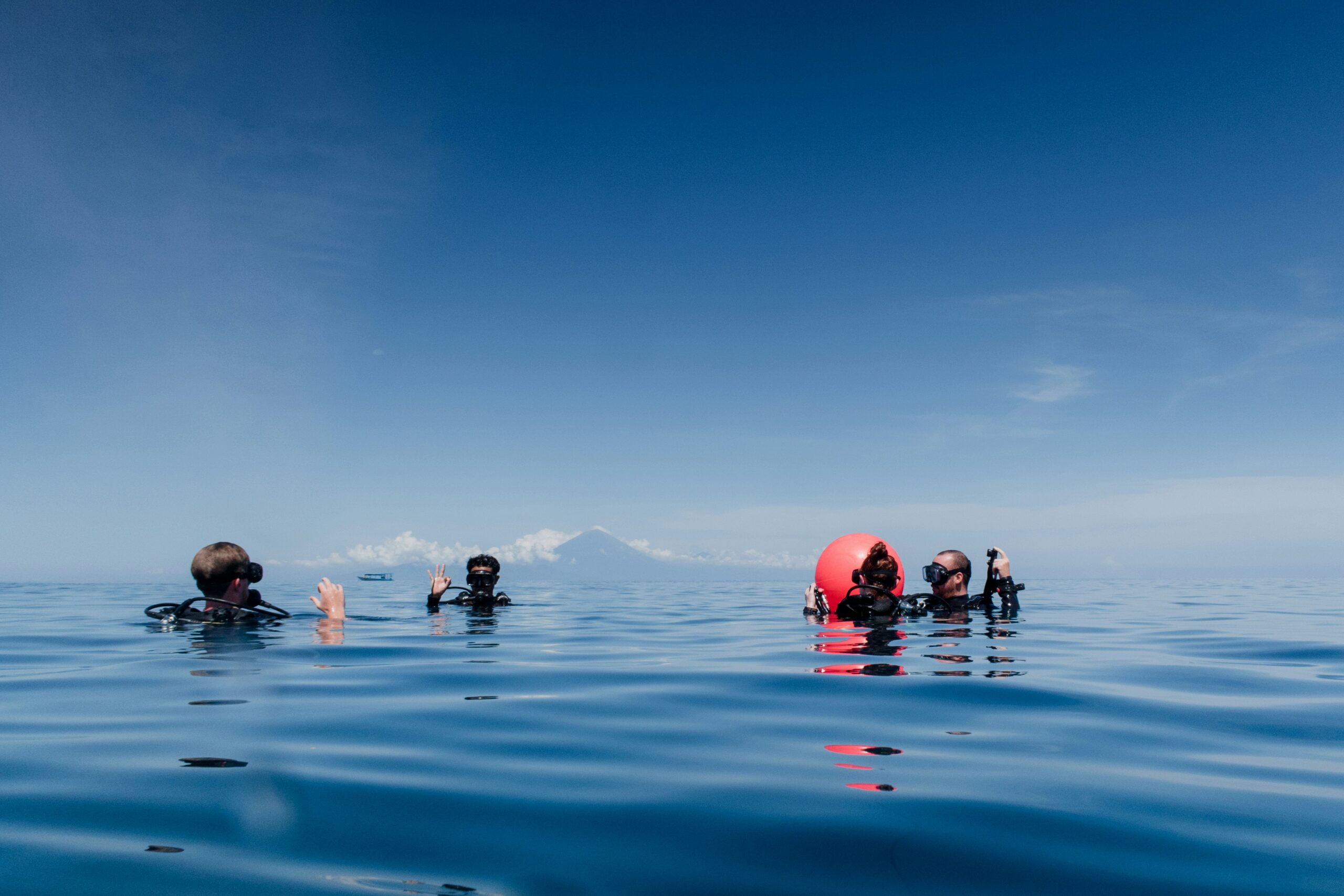
- Coral Reefs: Expeditions to reefs often involve diving for coral health assessments, fish transects, and monitoring anthropogenic impacts like bleaching or disease. Trainees learn specific survey techniques, photographic quadrats, and rapid assessment methods.
- Mangrove Forests: These critical nursery habitats require different approaches, such as measuring biomass, studying sedimentation rates, or assessing the impact of deforestation. Techniques like prop root sampling or using specialized corers become essential.
- Estuaries & Salt Marshes: Research here focuses on salinity gradients, sediment dynamics, and the resilience of these ecosystems to climate change. Understanding how to work in intertidal zones and dealing with muddy, soft substrates is a key takeaway.
Open Ocean and Deep-Sea Studies
Venturing further offshore presents a whole new set of logistical and scientific challenges. This is where larger research vessels, remotely operated vehicles (ROVs), and autonomous underwater vehicles (AUVs) become commonplace.
- Pelagic Zone: Studying the open water column involves monitoring plankton populations, ocean currents, and the distribution of nekton (free-swimming organisms). This often requires deploying specialized nets, acoustic sensors, and understanding oceanographic models.
- Hydrothermal Vents: These extreme environments are often accessed using ROVs or submersibles. Trainees might assist in processing samples from these unique ecosystems, learning about extremophiles and chemosynthetic communities. This requires careful handling of highly sensitive equipment and biological samples.
- Abyssal Plains: Research in the deep sea often involves studying benthic communities (organisms living on the seabed) and sediment characteristics. Box corers, grab samplers, and deep-sea cameras are common tools, and data interpretation from these environments often includes understanding slow biological processes and low energy inputs.
Developing Key Professional Competencies
Beyond the technical skills, expeditions are hotbeds for developing the ‘soft skills’ that are absolutely critical for a successful scientific career. You’re often in close quarters with a diverse group of people, far from familiar comforts.
Teamwork and Collaboration
Science is rarely a solo endeavor, particularly in marine research. Expeditions force people to work together under often demanding conditions.
- Interdisciplinary Communication: You’ll be working with biologists, geologists, oceanographers, engineers, and even policy specialists. Learning to communicate your findings and understand others’ perspectives from different scientific backgrounds is invaluable.
- Problem-Solving & Adaptability: Plans rarely go perfectly at sea. Equipment fails, weather changes, and unexpected challenges arise. Trainees learn to think on their feet, troubleshoot problems creatively, and adapt to rapidly changing circumstances. This includes learning to manage stress in high-pressure situations.
Leadership and Decision-Making
While expedition leaders certainly make the big calls, opportunities often arise for trainees to take initiative and demonstrate leadership within their roles.
- Taking Initiative: Whether it’s volunteering for an extra watch or suggesting a more efficient way to process samples, taking ownership of tasks is noticed and encouraged.
- Ethical Considerations: Expeditions frequently encounter sensitive ecological areas or have implications for resource management. Trainees learn to make decisions that balance scientific objectives with ethical responsibilities towards the environment and local communities. This includes understanding permits, regulations, and responsible data sharing.
The Crucial Role of Mentorship
One of the most profound benefits of ocean research expeditions is the direct, often intensive, mentorship opportunities. Trainees are working alongside experienced scientists, day in and day out.
Direct Guidance and Feedback
Unlike a large university lecture, expeditions offer a much lower student-to-mentor ratio, leading to personalized advice and immediate feedback.
- One-on-One Instruction: Learning how to calibrate a sensor or identify a challenging species often happens directly from an expert looking over your shoulder, offering nuanced advice that can’t be found in a manual.
- Constructive Critique: Mentors provide feedback on everything from data collection techniques to scientific writing, helping trainees refine their skills and avoid common pitfalls. This constant feedback loop is essential for growth.
Networking and Career Pathways
Expeditions are prime networking environments. You’re working closely with potential future colleagues, collaborators, and even employers.
- Building Professional Relationships: The bonds formed on an expedition can last a lifetime, opening doors to future projects, job opportunities, or academic collaborations. These relationships can be as informal as knowing who to ask for advice on a specific technique, to more formal collaborations on shared research interests.
- Exposure to Diverse Career Paths: Trainees discover the variety of roles within marine science, from academic research to government policy, non-profit conservation, and even private industry. Mentors can offer insights into their own career journeys and the skills needed to succeed in various fields.
Real-World Impact and Conservation Focus
| Expedition Name | Location | Duration | Number of Participants |
|---|---|---|---|
| Arctic Ocean Research | Arctic Ocean | 3 weeks | 15 |
| Coral Reef Exploration | Great Barrier Reef | 2 weeks | 10 |
| Deep Sea Trench Study | Mariana Trench | 1 month | 20 |
Beyond individual skill development, marine research expeditions are fundamentally about contributing to our understanding and protection of the ocean. Trainees aren’t just learning; they’re actively participating in meaningful research.
Contributing to Scientific Understanding
Every data point collected, every observation made, contributes to a larger scientific picture, and trainees are part of that.
- Monitoring Marine Health: Many expeditions focus on long-term monitoring programs, tracking changes in ecosystems, species populations, or ocean conditions. Trainees see firsthand how their efforts build a longitudinal dataset critical for understanding trends.
- Discovering New Species & Processes: The ocean is still largely unexplored. Participating in expeditions can involve the discovery of new life forms or novel ecological processes, offering an unparalleled experience for a budding scientist.
Informing Conservation and Management Policies
Scientific data is the bedrock of effective conservation. Expeditions generate the information needed to make informed decisions.
- Evidence-Based Decision Making: Trainees learn how scientific findings translate into policy recommendations, seeing the direct link between their field work and conservation outcomes. This includes understanding the challenges of communicating science to non-scientific audiences.
- Advocacy and Outreach: Many expeditions incorporate elements of public outreach, teaching trainees how to communicate their research to a broader audience and advocate for ocean protection. This could involve direct engagement with local communities or contributing to public reports.
In essence, ocean research expeditions are not just a stepping stone but a foundational experience for aspiring marine scientists. They convert theoretical knowledge into practical expertise, build essential soft skills, forge critical professional connections, and instill a deep understanding of the ocean’s complexities and the imperative to protect it. It’s a challenging path, but for those passionate about the ocean, it’s an incredibly rewarding one.
FAQs
What is the purpose of ocean research expeditions?
Ocean research expeditions are conducted to study marine ecosystems, biodiversity, oceanography, and climate change. These expeditions help scientists gather data and samples to better understand the ocean and its impact on the planet.
What kind of training do marine scientists receive for ocean research expeditions?
Marine scientists receive training in various scientific techniques, equipment operation, safety protocols, and data collection methods. They also learn about the specific research goals and objectives of the expedition.
What are the key skills required for participating in ocean research expeditions?
Key skills required for participating in ocean research expeditions include strong swimming abilities, physical fitness, teamwork, problem-solving skills, and the ability to work in challenging and remote environments.
What are the potential risks and challenges of participating in ocean research expeditions?
Potential risks and challenges of participating in ocean research expeditions include rough sea conditions, extreme weather, exposure to hazardous marine life, and the need to adhere to strict safety protocols to prevent accidents and injuries.
How do ocean research expeditions contribute to scientific knowledge and conservation efforts?
Ocean research expeditions contribute to scientific knowledge and conservation efforts by providing valuable data and insights into marine ecosystems, biodiversity, and the impacts of human activities on the ocean. This information is used to inform conservation policies and management strategies for marine resources.