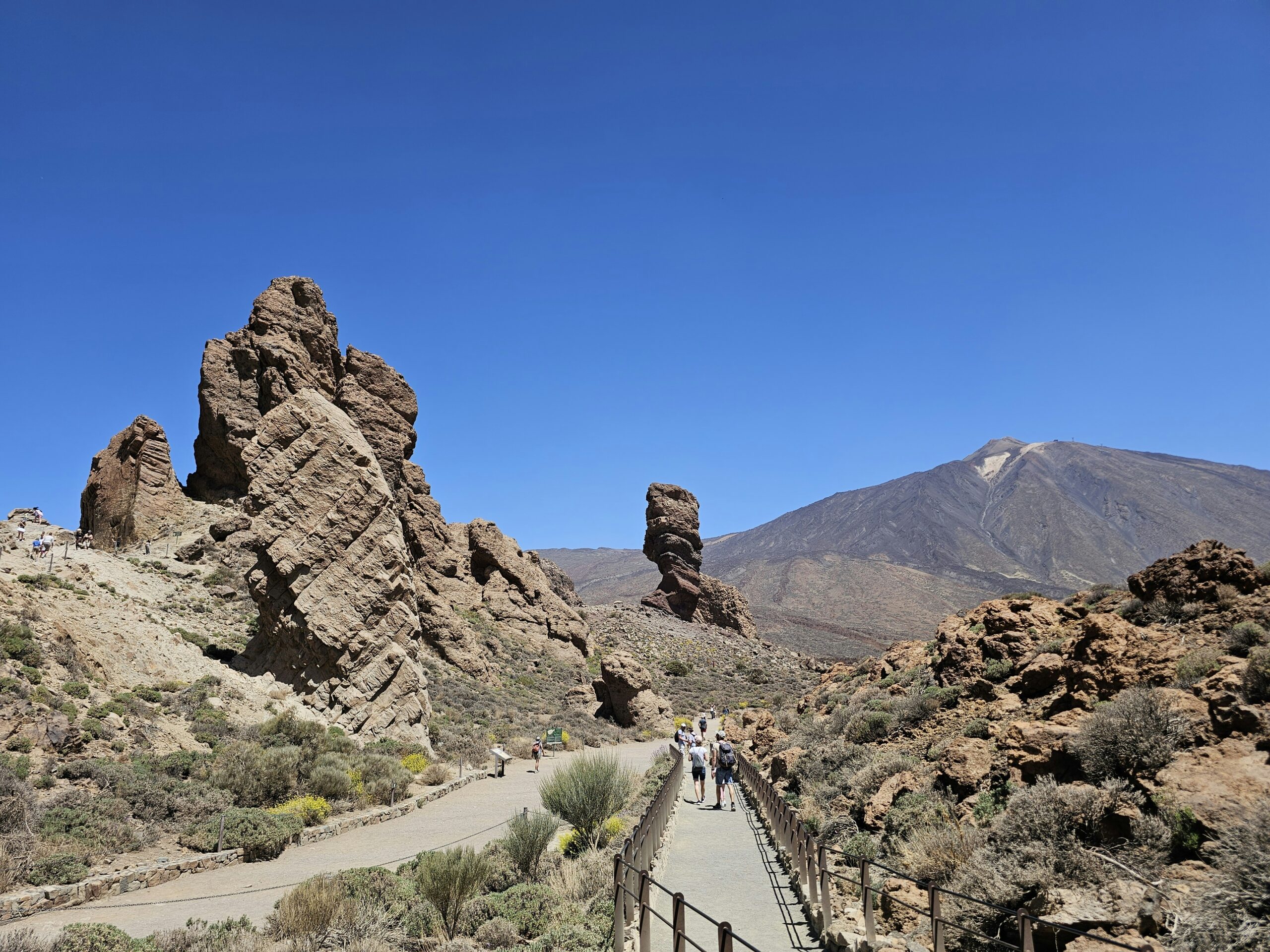
Geological exploration trips are a fundamental part of an Earth Science student’s education, offering an invaluable bridge between classroom theory and real-world application. They provide direct exposure to geological processes, landforms, and materials that simply cannot be replicated in a lecture hall or textbook. These practical experiences are crucial for developing observational skills, understanding geological context, and building a foundation for future fieldwork or research.
Field trips aren’t just a break from lectures; they’re an integral component of learning Earth Science. They offer a unique, hands-on perspective that reinforces theoretical knowledge.
Connecting Theory to Reality
- Visualizing Concepts: Students can see firsthand concepts like fault lines, unconformities, and rock formations that were previously only diagrams in a book. This visual connection significantly aids comprehension.
- Understanding Scale: Textbooks often struggle to convey the immense scale of geological features. Standing before a vast canyon or a massive outcrop provides a sense of scale that’s impossible to gain otherwise.
- Contextualizing Processes: Observing active erosion, deposition, or volcanic activity in its natural setting helps students grasp the dynamic nature of Earth’s processes.
Developing Practical Skills
- Observation and Interpretation: Fieldwork hones students’ ability to meticulously observe geological features, collect data, and interpret their significance. This includes identifying rock types, noting structural relationships, and recognizing fossil evidence.
- Mapping and Surveying: Many trips involve basic geological mapping, teaching students how to use compasses, clinometers, GPS devices, and topographic maps to record and represent geological data.
- Problem-Solving in the Field: Unforeseen challenges often arise in the field, requiring students to adapt, think critically, and apply their knowledge to solve practical problems.
Career Relevance
- Industry Experience: Many geological careers, from oil and gas exploration to environmental consulting, heavily rely on fieldwork. Early exposure provides a realistic preview of these professions.
- Networking Opportunities: Field trips can sometimes involve interactions with industry professionals or experienced geologists, opening doors for mentorships or future job prospects.
- Research Foundations: For students considering academic or research paths, fieldwork is the bedrock of geological research. These trips lay the groundwork for understanding research methodologies.
Planning and Preparation: Getting Ready for the Field
A successful field trip requires careful planning and preparation, both from the faculty and the students. This ensures safety, maximizes learning, and minimizes logistical issues.
Faculty Responsibilities
- Site Selection: Choosing geologically significant locations that align with the curriculum’s learning objectives is paramount. Factors like accessibility, safety, and permit requirements are considered.
- Risk Assessment and Safety Protocols: Thorough risk assessments are conducted for each location. This includes identifying potential hazards (e.g., unstable slopes, dangerous wildlife, weather extremes) and establishing clear safety protocols, emergency procedures, and communication plans.
- Logistics: This involves arranging transportation, accommodation, food, and necessary equipment. Permits for accessing certain areas are also secured well in advance.
- Pre-Trip Briefings: Detailed briefings cover the trip’s objectives, itinerary, geological background of the sites, safety instructions, and expectations for student conduct and work.
- Equipment Provision: Providing specialized equipment like rock hammers, hand lenses, GPS units, and safety gear where necessary.
Student Preparation
- Academic Review: Students should review relevant geological concepts, rock identification, structural geology fundamentals, and any specific background information about the sites to be visited.
- Personal Gear: Essential personal equipment includes appropriate layered clothing for varying weather, sturdy hiking boots, a backpack, water bottles, sun protection (hat, sunscreen), and a basic first-aid kit.
- Field Notebook and Tools: A waterproof field notebook, pencils, ruler, compass, and hand lens are crucial for recording observations and measurements.
- Physical Fitness: Many geological sites require a certain level of physical exertion, including hiking over uneven terrain. Students should be aware of and reasonably prepared for these demands.
- Understanding Objectives: Students should clearly understand the learning objectives for each stop and the overall trip to focus their observations and data collection effectively.
Types of Geological Exploration Trips
The diversity of Earth Science means there’s a wide array of field trip experiences available, each focusing on different geological aspects.
Regional Geology Surveys
- Broad Overview: These trips typically cover a larger geographical area, exposing students to a variety of rock types, structural features, and geomorphological landscapes within a specific region.
- Mapping Exercises: Students often engage in regional mapping exercises, drawing cross-sections and interpreting the geological history of the area.
- Examples: A trip through parts of the Appalachian Mountains might focus on fold-and-thrust belt tectonics and ancient continental collisions, while exploring the American Southwest could emphasize sedimentary stratigraphy and desert environments.
Specialized Investigations
- Focus on Specific Processes: These trips delve deeper into particular geological processes or features.
- Volcanology Trips: Visiting active or dormant volcanic regions allows students to observe lava flows, volcanic ash deposits, calderas, and hydrothermal vents, providing insights into magma genesis and eruption dynamics.
- Sedimentology and Stratigraphy: Coastal environments, river valleys, or ancient sedimentary basins offer opportunities to study depositional environments, facies changes, and the principles of stratigraphy.
- Structural Geology Expeditions: Areas with complex folding, faulting, and metamorphic terrains provide excellent opportunities to practice structural measurements and interpret deformation histories.
- Paleontological Digs: While not purely geological, some trips integrate paleontological components, where students might participate in fossil excavation and analysis within a geological context.
Mining and Industrial Geology Tours
- Resource Extraction: These trips offer insights into the practical applications of geology in resource extraction industries.
- Mine Visits: Students can tour active or decommissioned mines (both surface and underground) to understand ore body formation, mining techniques, and environmental considerations.
- Quarry Operations: Visiting quarries provides a look at the extraction of construction materials like aggregates, limestone, or granite, and the geological principles guiding their location and extraction.
- Environmental Geology Sites: Trips to remediation sites, waste disposal facilities, or areas impacted by pollution demonstrate the role of geology in environmental management and hazard mitigation.
What to Do in the Field: Maximizing Learning
Being in the field is a dynamic learning environment. Effective engagement ensures that students get the most out of their experience.
Observational Techniques
- Systematic Recording: Developing a systematic approach to observations is crucial. This includes noting rock types, mineralogy, textures, sedimentary structures, fossil content, structural features (strike and dip), and any evidence of alteration or weathering.
- Sketching and Photography: Field sketches are often more valuable than photographs for highlighting key features and relationships. Students should practice both, using annotations to explain observations.
- Scale and Context: Always include a scale in photos and sketches (e.g., rock hammer, pencil, or person). Pay attention to the relationships between different geological units and features to understand the overall geological context.
Data Collection and Analysis
- Accurate Measurements: Using instruments like compasses, clinometers, and GPS units to take precise measurements of strike, dip, bed thickness, and location.
- Sample Collection: When permitted, carefully collect representative rock, mineral, or fossil samples, ensuring they are properly labeled with location, date, and collector’s name.
- Hypothesis Formulation: As observations are made, students should be encouraged to formulate hypotheses about the geological history or processes at play and look for evidence to support or refute them.
Field Discussion and Collaboration
- Engage with Instructors: Ask questions, discuss observations, and seek clarification from instructors and experienced geologists. Their insights can significantly deepen understanding.
- Peer Learning: Discussing observations and interpretations with fellow students can lead to new perspectives and a more comprehensive understanding of the site. Collaborative problem-solving is also a valuable skill.
- Interpretive Synthesis: At each stop, or at the end of the day, synthesizing observations into a coherent geological interpretation helps solidify learning and reinforces critical thinking.
Post-Trip Activities and Reflection
| Year | Number of Trips | Locations Visited | Number of Students |
|---|---|---|---|
| 2018 | 10 | Grand Canyon, Yellowstone National Park, Death Valley | 50 |
| 2019 | 12 | Rocky Mountains, Appalachian Mountains, Mojave Desert | 60 |
| 2020 | 8 | Great Smoky Mountains, Badlands National Park, Olympic National Park | 40 |
The learning doesn’t stop when the field trip ends. Post-trip activities are vital for consolidating knowledge and applying newfound skills.
Data Processing and Report Writing
- Organizing Field Notes: Transcribing or organizing messy field notes into a clear, legible format.
- Map Production: Creating geological maps and cross-sections based on collected field data. This often involves using software like GIS for more advanced mapping.
- Sample Analysis: Analyzing collected samples in the lab using techniques like petrography, X-ray diffraction (XRD), or geochemical analysis to gain further insights.
- Formal Reports: Writing comprehensive field reports that detail observations, interpretations, and conclusions, supported by maps, diagrams, and data. This is a critical exercise in scientific communication.
Presenting Findings
- Class Presentations: Students may be required to present their findings to their peers, articulating their geological interpretations and defending their conclusions. This enhances public speaking and scientific communication skills.
- Symposia or Posters: In some cases, student work from field trips might be showcased in internal departmental symposia or poster sessions, mimicking professional scientific conferences.
Reflection and Critical Review
- Personal Learning Assessment: Reflecting on what was learned, what challenges were faced, and how personal understanding of geological concepts has evolved.
- Critique of Methods: Evaluating the effectiveness of the field methods used and suggesting improvements for future expeditions. This fosters a critical approach to fieldwork.
- Connecting to Broader Concepts: Linking the specific observations from the field trip back to broader geological theories and global processes, demonstrating a holistic understanding of Earth Science.
Geological exploration trips are demanding, often requiring long hours, physical effort, and mental stamina. However, the unique learning experiences they offer are unparalleled. They forge a deeper connection between students and the Earth, developing skills that are indispensable for any future path in geology, whether it’s in academia, industry, or environmental management. These experiences transform theoretical knowledge into practical understanding, shaping competent and confident Earth scientists.
FAQs
What is a geological exploration trip?
A geological exploration trip is a field trip that allows earth science students to visit and study geological formations, rock outcrops, and other natural features in their natural environment. These trips provide hands-on learning experiences and opportunities for students to apply their knowledge in the field.
What are the benefits of participating in geological exploration trips?
Participating in geological exploration trips allows students to gain practical experience in geological fieldwork, develop their observational and analytical skills, and apply theoretical knowledge to real-world scenarios. These trips also provide opportunities for networking, collaboration, and mentorship with experienced geologists and researchers.
What are some common destinations for geological exploration trips?
Common destinations for geological exploration trips include national parks, geological reserves, coastal areas, mountain ranges, and areas with unique geological features such as volcanic landscapes, fault lines, and mineral deposits. These destinations offer diverse geological settings for students to explore and study.
What should students expect during a geological exploration trip?
During a geological exploration trip, students can expect to engage in activities such as mapping geological formations, collecting rock samples, conducting field measurements, and interpreting the geological history of the area. They may also have the opportunity to observe geological processes in action, such as erosion, sedimentation, and tectonic activity.
How can students prepare for a geological exploration trip?
Students can prepare for a geological exploration trip by familiarizing themselves with the geological features of the destination, reviewing relevant course materials, and packing essential field equipment such as rock hammers, hand lenses, field notebooks, and safety gear. It is also important for students to follow safety guidelines and instructions provided by trip leaders and instructors.